Fish in Water Applique: A Designer's Review for Craft Fairs
As an embroidery designer who has spent countless weekends setting up booth displays and managing online shops, I know that the difference between a product that sells out by noon and one that gathers dust often comes down to the design choice. When I first pulled up the Fish in Water Applique on my screen, my immediate reaction was one of practical optimism. This isn't just a cute graphic; it is a versatile machine embroidery design that bridges the gap between rustic farmhouse charm and modern coastal aesthetics. For those of us running small shop products or looking to expand our handmade product lines, this file offers significant potential.
First Impressions and Market Appeal
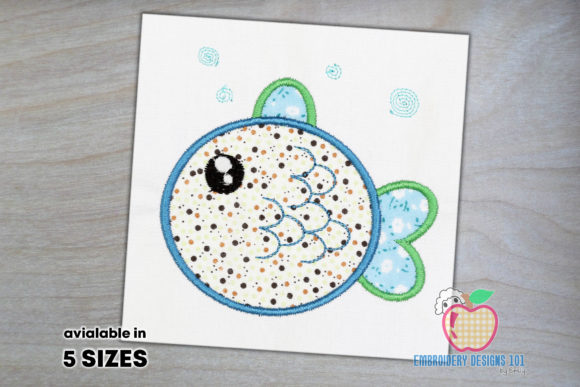
The visual language of the Fish in Water Applique strikes a balance that is hard to achieve. It feels neither too childish nor overly formal. Instead, it carries a soft, decorative quality that appeals to a broad demographic. In a craft fair setting, where customers are scanning tables filled with colorful items, this design stands out because of its clean lines and the textural interest that appliqué naturally provides. The combination of fabric layers and satin stitching creates a premium look that elevates a simple tote bag or tea towel into a giftable item.
For Etsy sellers and digital sellers creating printable mockups, the silhouette is distinct enough to be recognizable even in thumbnail images. The "fish" theme is perennial, but the execution here avoids the cliché of cartoonish characters, leaning instead toward a more elegant, nature-inspired motif. This makes it suitable for boutique makers targeting adults who appreciate handmade quality without wanting something that looks like a nursery decoration.
Product Versatility Across the Booth
One of the strongest selling points of this specific embroidery file is its scalability. According to the product details, the Fish in Water Applique comes in five sizes ranging from 4 inches to 8 inches. This range is critical for a craft fair vendor because it allows you to maximize your inventory without buying multiple designs. Here is how I would deploy these sizes across a typical market table:
- Tote Bags and Market Bags: The 6-inch or 8-inch versions work perfectly as a focal point on canvas totes. The large surface area allows the appliqué details to shine, making the bag a statement piece.
- Apron Embroidery: Placing the medium size on the bib of a linen apron creates an instant bestseller for home cooks and gardening enthusiasts. The layered fabric adds durability to a high-wear area.
- Tea Towel Embroidery: The 4-inch or 5-inch options are ideal for kitchen textiles. They act as a charming accent without overwhelming the fabric, perfect for holiday gifts or housewarmings.
- Embroidered Patches: By stitching the design on twill and cutting it out, you can create iron-on patches. These are excellent low-cost add-ons for customers who want to customize their own denim jackets or backpacks.
- Caps and Hats: While possible, this requires careful attention. The curved surface of a cap can distort wider designs, so testing the smaller hoop sizes is essential before committing to a batch.
- Pillow Covers: An 8-inch version centered on a throw pillow cover transforms a basic home decor item into a custom finished product that commands a higher price point.
Production Realities and Batch Efficiency
From a production standpoint, time is money. Appliqué designs can sometimes be tedious due to the tack-down stitches and trimming required. However, the Fish in Water Applique appears streamlined for efficiency. The shapes seem conducive to quick trimming, which is vital when you need to produce twenty tote bags before a Saturday morning market. The design feels repeatable, meaning once you have your fabric scraps cut and your hoop ready, you can run a batch with minimal intervention.
Photography is another crucial factor for the modern Etsy seller. This design photographs exceptionally well because the fabric layers catch the light differently than flat stitching does. When creating printable mockups or taking photos for social media, the texture adds depth that draws the eye. It signals to the buyer that this is a handmade product crafted with care, rather than a mass-produced print.
Critical Considerations for Success
While the potential is high, a professional review must also address the pitfalls. To ensure your craft fair product line succeeds, keep the following technical notes in mind:
- Fabric Texture Matters: Appliqué relies on smooth surfaces for clean edges. Avoid using this design on highly textured towels or looped fabrics unless you use a very dense stabilizer, as the fabric edges may fray or look messy.
- Thread Contrast: The success of this design hinges on color choice. Ensure your thread colors contrast sufficiently with both the appliqué fabric and the base garment. On dark fabric, use a lighter underlay or adjust your thread palette to prevent the design from getting lost.
- Stitch Density: Check the stitch density in the preview software. If the satin columns are too wide without enough underlay, they may sink into thick fabrics like terry cloth. Conversely, on thin silks, high density might cause puckering.
- Hoop Size Constraints: The product description notes suitability for hoop sizes 4x4, 5x7, 6x10, 8x8, and 8x12. Always confirm your machine's actual hoop capacity. Do not attempt to force an 8-inch design into a smaller hoop; the resulting tension issues will ruin the commercial embroidery quality.
- Small Details: At the 4-inch size, tiny details in the water or fish scales may lose clarity. If selling small items like pouches, consider skipping the smallest size option if the design elements become indistinct.
Maximizing Brand Consistency and Sales
Incorporating the Fish in Water Applique into your catalog can strengthen your brand identity. If your shop focuses on coastal, lake life, or nature-themed goods, this design acts as a cohesive thread tying your various items together. Consistency builds trust; when a customer sees the same high-quality design on a tote, a patch, and a pillow, they perceive your brand as professional and reliable.
Furthermore, this design encourages buyer engagement. Customers love to touch appliqué work. The tactile nature of the fabric layers invites them to pick up the item, inspect the stitching, and imagine it in their own homes. This physical interaction is a powerful sales tool at in-person events.
Final Designer Recommendations
Before listing this as a digital embroidery file or stitching it onto your next batch of goods, follow these final steps. First, always test the design on scrap fabric that matches your intended final material. This reveals any issues with registration or tension. Second, review the licensing terms carefully. The description mentions it is suitable for commercial use, but always confirm the specific limits regarding the number of finished items you can sell. Finally, create at least one real-world mockup. Seeing the Fish in Water Applique stitched on an actual apron or bag will give you the confidence to market it effectively.
In conclusion, this design is a robust asset for any creative entrepreneur. It balances aesthetic appeal with production practicality, making it a smart choice for expanding your inventory of small shop products. With the right fabric choices and attention to detail, the Fish in Water Applique can become a staple in your best-selling collection.