African Angel Lineart: A Designer’s Honest Review
As an embroidery designer who spends countless hours digitizing and stitching, I have learned that not every machine embroidery design looks as good on fabric as it does on a screen. When I first came across African Angel Lineart on Creative Fabrica, I was immediately drawn to its simplicity and cultural resonance. In a market saturated with overly complex patterns, this piece stood out for its clean lines and elegant minimalism. I decided to put it through its paces, evaluating whether it would hold up in real-world commercial projects, from custom apparel to home decor.
First Impressions: Simplicity Meets Soul
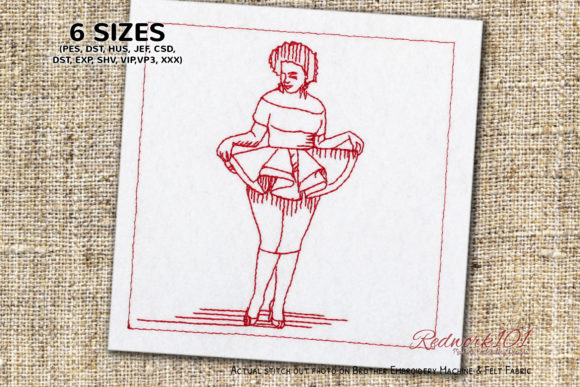
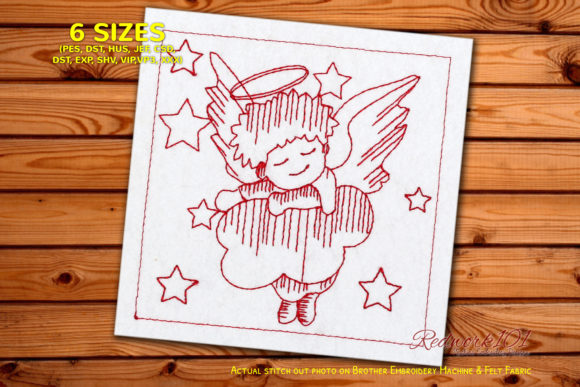
The visual mood of African Angel Lineart is serene and dignified. It captures the essence of Africa through a stylized, artistic lens rather than relying on clichés. For those of us in the Embroidery community, line art designs can be tricky. They require precision because there is no dense fill to hide imperfections. However, this design appears to strike a balance between artistic flair and stitchability. The description notes that it is "easy to stitch," which is a significant claim for any designer looking to maximize machine efficiency without sacrificing quality.
The optional Stitch Box mentioned in the product details adds versatility. It allows the design to stand alone as a delicate motif or be framed for a more structured look. This flexibility is crucial for designers who need to adapt a single digital embroidery file across multiple product lines. Whether you are aiming for a modern, minimalist aesthetic or a traditional framed appearance, this asset provides the foundational elements needed to achieve both.
Real-World Application: From Hoop to Product
I evaluated African Angel Lineart with several specific end-products in mind. Here is how I see it performing in a professional setting:
- Custom Apparel: This design is ideal for sweatshirt embroidery. Placed on the left chest or centered on the back, the line work offers a sophisticated look that appeals to adult buyers. It avoids the childish feel some angel motifs have, making it suitable for boutique merchandise.
- Tote Bag Design: Canvas tote bags are a staple for handmade shop owners. The open nature of line art prevents the fabric from puckering, a common issue with dense fills on flexible materials. This makes it a strong candidate for a durable, everyday carry item.
- Home Decor: Imagine this stitched onto a neutral-toned pillow cover or a linen kitchen towel. The cultural theme adds warmth and depth to nursery decor or living room accents. It works particularly well for customers seeking meaningful, personalized gifts that reflect heritage or spiritual values.
- Embroidered Patches: For those selling patches, the clear outlines of this design would translate well to a merrowed edge or a simple satin border. It creates a striking visual that remains legible even at smaller sizes.
Technical Considerations for Stitchers
While the design is described as fun and easy, experienced stitchers know that "easy" is relative to preparation. Here are the practical aspects I considered before committing to a full production run:
Fabric Choice and Stabilizer: Because this is a line-art style, the choice of stabilizer is critical. On stretchy fabrics like jersey knits for t-shirts, a cut-away stabilizer is non-negotiable to prevent distortion. For woven fabrics like cotton aprons or canvas totes, a tear-away might suffice, but I always recommend testing on scrap fabric first. The integrity of the lines depends heavily on the fabric staying taut during stitching.
Thread Colors and Contrast: The beauty of African Angel Lineart lies in its silhouette. When working on dark fabric, you must ensure your thread color contrasts sufficiently. A metallic gold or bright white thread could make the design pop against navy or black, enhancing its decorative appeal. Conversely, on light fabrics, a deep brown or black thread will maintain the artistic integrity of the line work. Always check thread color contrast before starting your final piece.
Stitch Density and Detail: Line art typically utilizes running stitches or narrow satin stitches. I advise reviewing the stitch density in your embroidery software if possible. If the lines are too thin, they may get lost on textured fabrics like terry cloth towels. For such items, consider scaling the design up slightly to ensure visibility. Additionally, inspect small details after stitching a test sample. If the curves appear jagged, adjusting the tension or using a finer needle might be necessary.
Hoop Size and Placement: Confirm hoop size compatibility with your specific machine. While the design seems versatile, placing it on curved surfaces like caps requires careful hooping techniques. The optional outer box, if used, must be perfectly aligned to avoid a skewed appearance. For cap embroidery, ensure the design fits within the usable area of your cap frame to avoid hitting seams or buckram edges.
Enhancing Brand Value and Customer Trust
Using high-quality design assets like African Angel Lineart directly impacts your brand consistency. Customers can tell when a design is crisp and well-digitized. A sloppy stitch-out undermines trust, while a clean, professional finish encourages repeat business. This design’s cultural significance also adds emotional value to your finished product. It is not just a pattern; it is a statement piece that can resonate with buyers looking for representation and artistry in their handmade goods.
For Etsy sellers and creative entrepreneurs, this design offers excellent potential for product photography. The clean lines photograph well, allowing for sharp, high-contrast images that stand out in search results. Whether you are creating a printable mockup for your listing or shooting physical samples, the distinct shape of the angel ensures immediate recognition. This visual appeal can drive customer engagement and increase click-through rates on crowded marketplaces.
Final Verdict: Is It Worth the Download?
After reviewing the potential applications and technical requirements, I believe African Angel Lineart is a valuable addition to any embroidery designer’s library. Its versatility allows it to cross over from seasonal handmade gifts to year-round boutique merchandise. The ease of stitching, as claimed, seems plausible given the open nature of the design, provided that proper stabilizers and hoops are used.
However, always remember to verify the specifics. Before selling any commercial embroidery products, confirm file details and licensing on the Creative Fabrica product page. Ensure you understand the terms for selling finished items versus digital files. Check the included formats to guarantee compatibility with your machine. If the product description mentions specific file types or hoop sizes, double-check these against your equipment capabilities.
In conclusion, if you are looking for a design that blends cultural appreciation with modern minimalism, this piece delivers. It respects the medium of Embroidery by offering a clean, stitch-friendly layout that honors its Africa-inspired roots. For small business owners aiming to elevate their custom apparel or home decor lines, this design is worth considering. Just remember to test, stabilize, and stitch with care to let the artistry shine.