Baby Goat Quick Stitch: A Designer’s Real-World Review
As an embroidery designer who has spent years digitizing patterns and testing them on everything from stiff canvas to delicate jersey, I approach every new machine embroidery design with a critical eye. It is not just about whether the image looks cute on a screen; it is about how those stitches behave under the needle, how they interact with fabric texture, and ultimately, how they translate into a viable product for a craft business. Recently, I evaluated the Baby Goat Quick Stitch, a design categorized under Baby Animals, to determine its practical value for real-world projects.
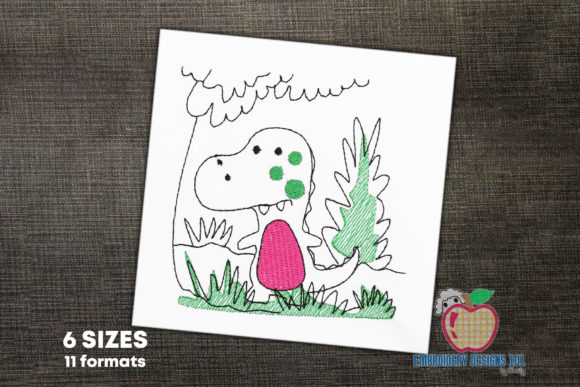
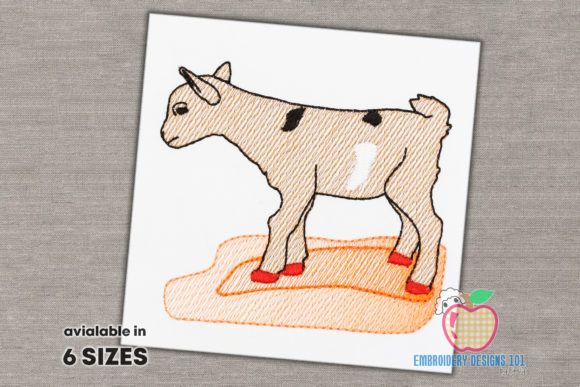
The first impression of this design is one of intentional simplicity. In an era where overly dense, complex fills dominate the market, this piece stands out by embracing negative space. The description notes that the design is not 100% filled, allowing the fabric to remain visible through the stitches. This is a deliberate artistic choice, not a flaw. For a reviewer, this signals a "sketch-style" or "light-fill" aesthetic that relies on the interplay between thread and material. It creates a mood that is airy, modern, and approachable, making it ideal for contemporary handmade products rather than traditional, heavy heirloom pieces.
Visual Personality and Design Layout
The layout of the Baby Goat Quick Stitch feels organic. The shape avoids rigid geometric lines, opting instead for a softer, more playful silhouette that captures the whimsical nature of baby animals. Because the stitch density is lower, the visual weight of the design is light. This is crucial when considering where to place it. A heavy, solid fill can warp a thin t-shirt or make a tote bag feel stiff in one localized area. This design, however, maintains the drape and flexibility of the base material.
From a branding perspective, this visual personality fits seamlessly into the current trend of minimalist nursery decor and boutique baby wear. It does not scream for attention with aggressive saturation; instead, it invites a closer look. For an Etsy seller or small shop owner, this subtlety can be a significant asset. It suggests quality and thoughtfulness, traits that build customer trust and enhance the perceived value of a personalized gift.
Real-World Application: The Tote Bag Test
To truly understand the utility of this embroidery file, I mentally placed it into a common commercial scenario: a custom canvas tote bag. Canvas is a textured, medium-weight fabric. When using a standard satin stitch or a dense fill stitch on canvas, you often lose definition because the threads sink into the weave, or the design becomes so thick it cracks when the bag is folded.
The Baby Goat Quick Stitch, with its open structure, performs exceptionally well here. The visible fabric background allows the natural texture of the canvas to contribute to the overall aesthetic. The running stitch elements likely used to define the outline provide clarity without bulk. If I were producing this for a holiday gift or a spring collection, I would pair it with earthy thread colors—olive greens, soft browns, or muted creams—to let the fabric shine through. The result is a sophisticated, understated look that appeals to buyers seeking unique, non-mass-produced items.
Versatility Across Apparel and Home Goods
Beyond tote bags, this design shows promise in custom apparel. For sweatshirt embroidery, the lighter stitch count means less puckering around the hoop area. Sweatshirts are thick, and adding too much density can create an uncomfortable ridge on the inside of the garment. This design mitigates that risk. Similarly, for baby embroidery on onesies or bibs, comfort is paramount. A design that breathes and moves with the fabric is far superior for infant wear than a stiff, plastic-like patch of thread.
I also see potential for this design in kitchen textiles, such as tea towels or aprons. Linen and cotton blends benefit from designs that do not overwhelm the weave. The Baby Goat Quick Stitch could serve as a charming accent on a corner of a towel or centered on an apron bib, adding a touch of whimsy to functional home goods. For an embroidered patch application, however, caution is needed. Patches often require higher density to prevent fraying edges if cut close, so this design might need a sturdy backing or a specific border treatment if intended for standalone patches.
Technical Considerations and Fabric Compatibility
While the design is versatile, it is not universal. As a professional, I must highlight where careful execution is required. The open nature of the stitches means that fabric color plays a massive role. On dark fabric, the design may lose definition unless high-contrast thread colors are used. Conversely, on white or light fabric, subtle tonal variations can look elegant but might lack pop from a distance.
Stabilizer selection is critical. Because the design relies on the fabric showing through, using a cut-away stabilizer on stretchy fabrics like jersey is essential to prevent distortion during stitching and washing. For woven fabrics like cotton or linen, a tear-away stabilizer might suffice, but testing is non-negotiable. I always advise designers to test the design on scrap fabric first. Check how the running stitch elements anchor into your specific material. If the fabric is very loose-weave, the stitches might pull or gap unexpectedly.
Additionally, consider the hoop size. While the design is likely compact, ensuring it is centered correctly within the hoop prevents hooping marks from appearing near the delicate outer edges. For curved surfaces like caps, the low profile of the stitch work is an advantage, reducing the chance of the design bubbling or shifting due to the curve.
Commercial Value and Brand Consistency
For digital product sellers and creative entrepreneurs, the Baby Goat Quick Stitch offers a strategic advantage. It stitches quickly, which translates to lower machine time and higher production efficiency. In a commercial embroidery setting, speed equals profit. Furthermore, the distinctive style helps maintain brand consistency. If your shop specializes in light, airy, and modern aesthetics, this design aligns perfectly with that identity.
When creating printable mockups or digital previews for your online store, this design photographs well. The texture of the fabric becomes part of the image, adding depth to product photos. This enhances buyer engagement, as customers can visualize the tactile quality of the finished product. However, always confirm licensing terms before selling finished items. Ensure that the digital embroidery file license permits commercial use for physical goods, especially if you plan to scale production.
Final Verdict for Makers and Designers
The Baby Goat Quick Stitch is a thoughtful addition to any library of baby animal-themed designs. It rejects the notion that more stitches equal better quality, proving instead that restraint and smart digitizing create a more refined result. It is best suited for projects where fabric texture is an asset, such as canvas totes, linen aprons, and soft baby garments.
Before committing to a large batch, inspect small details at full zoom. Verify that the transition between stitch types is smooth. Compare light and dark fabric backgrounds to determine your optimal thread palette. By treating this design as a collaborative element with your chosen fabric, rather than just an overlay, you elevate the final product from a simple decorated item to a curated piece of handmade art. For the modern maker, this balance of efficiency, aesthetics, and wearability makes it a reliable choice for both personal projects and small business merchandise.