Cute Pink Piglet: A Designer’s Review for Personalized Gifts
As an embroidery designer who has spent years testing digital files for real-world application, I approach every new machine embroidery design with a critical eye. It is not enough for a pattern to look good on a screen; it must perform flawlessly on fabric, withstand washing, and evoke the right emotional response from the end customer. Recently, I had the opportunity to test the Cute Pink Piglet design, and I am eager to share my findings with fellow crafters, Etsy sellers, and small business owners looking to expand their inventory of personalized gifts.
First Impressions: Charm and Emotional Appeal
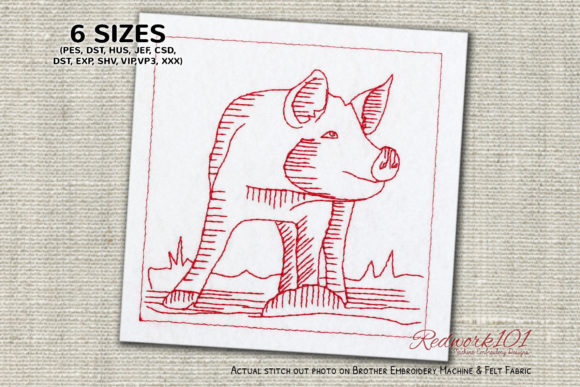
The moment I loaded the Cute Pink Piglet into my software, the immediate impression was one of warmth and playful innocence. This design falls squarely into the Farm Animals category, but it transcends simple agricultural imagery to become a character-driven piece. The piglet is depicted on a grassy field, a setting that adds context without overwhelming the central figure. For those of us creating handmade products, mood is everything. This design feels sweet, approachable, and distinctly handmade in its aesthetic appeal.
The color palette, dominated by soft pinks and vibrant greens, suggests a springtime or nursery vibe. However, because the outer box color varies in most designs, there is room for customization. This flexibility is crucial for a custom embroidery business where clients often request specific color matches for their home decor or baby items. The level of detail strikes a balance between complexity and clarity, ensuring that the piglet remains recognizable even when scaled down for smaller items.
Versatility Across Product Lines
One of the strongest assets of the Cute Pink Piglet is its adaptability. In my testing phase, I visualized this embroidery file across a wide range of products. For baby product creators, this design is a natural fit for baby embroidery projects. Imagine this cheerful piglet stitched onto a muslin swaddle blanket or a onesie. The gentle curves of the animal complement the softness required for infant textiles.
Beyond the nursery, this design holds significant potential for kitchenware. An embroidered towel featuring this piglet could be a bestseller during the spring season or as a housewarming gift. The grassy field element ties in beautifully with linen or cotton tea towels, adding a touch of rustic charm to modern kitchens. For wedding gift designers, while pigs are not traditional wedding motifs, the whimsical nature of this design makes it perfect for casual engagement parties, bridal showers, or couples who share a love for farm life and animals.
I also see strong potential for tote bags and aprons. A canvas tote bag with this design appeals to teachers, gardeners, and anyone who appreciates cute, lighthearted art. As a small shop product, it allows for quick production times while maintaining a high perceived value. For Etsy sellers, listing this as part of a "Farm Friends" collection could increase buyer engagement through cross-selling opportunities.
Technical Considerations for Professional Results
While the design is charming, technical execution is where many beginners stumble. When working with any digital embroidery file, understanding stitch density is paramount. The grassy field element introduces a layer of complexity. If the stitch density is too high for lightweight fabrics, you risk puckering. Conversely, if it is too low on thick materials, the background may look sparse.
I strongly advise testing on scrap fabric before committing to a final finished product. Pay close attention to the interaction between the thread colors and the fabric texture. On textured fabrics like waffle weave towels, the finer details of the piglet’s face might get lost. In such cases, using a contrasting thread color can help define the features. Additionally, always use the proper stabilizer. For stretchy baby clothes, a cut-away stabilizer is essential to prevent distortion after washing, while a tear-away might suffice for stable cotton pillow covers.
Hoop size is another critical factor. Ensure that your hoop accommodates the entire design, including the optional Stitch Box if you choose to include it. Remember, the Stitch Box shown in promotional pictures is often optional, and the color of the outer box may differ in various versions of the design. Always check the specific file details before stitching. If you are planning to sell these items, confirm commercial licensing terms explicitly. Never assume a file includes commercial rights; always verify with the designer.
Navigating Fabric and Placement Challenges
Placement can make or break the aesthetic of the Cute Pink Piglet. On curved surfaces, such as the pocket of a shirt or a rounded pillow cover, ensure the design is centered and stabilized properly to avoid warping. Dark fabrics present a unique challenge. While the pink piglet pops against white or cream, it may vanish against navy or black fabric unless you use a bright underlay or choose lighter thread shades for the outline.
Small lettering, if added for personalization, should be kept separate from the main design to maintain clarity. Do not crowd the piglet with names or dates. Instead, consider placing text below the grassy field or on a separate part of the garment. This preserves the integrity of the artwork and ensures readability. For products that require frequent washing, such as kitchen towels or baby blankets, double-check the stitch security. Trim all jump stitches carefully and consider using a water-soluble topping on plush fabrics to keep the stitches sitting on top of the pile rather than sinking in.
Enhancing Giftability and Customer Trust
From a business perspective, the Cute Pink Piglet enhances the giftability of your offerings. Personalized gifts are not just about the item; they are about the emotional connection. A custom blanket with this adorable animal tells a story of care and thoughtfulness. High-quality execution builds customer trust. When a buyer receives a handmade product that is neatly stitched, well-presented, and durable, they are more likely to leave positive reviews and return for future purchases.
Product photography plays a vital role here. Use printable mockups to showcase how the design looks on different items before you even stitch a single thread. However, nothing replaces photos of the actual embroidered item. Capture the texture of the thread and the vibrancy of the colors. Highlight the details of the grassy field and the expression of the piglet. These visual cues communicate quality and encourage buyer engagement on platforms like Etsy.
Final Thoughts for Embroidery Entrepreneurs
In conclusion, the Cute Pink Piglet is a versatile and emotionally resonant addition to any embroidery portfolio. It bridges the gap between playful novelty and classic charm, making it suitable for a wide demographic. Whether you are creating nursery decor, kitchen linens, or custom apparel, this design offers a solid foundation for creative expression.
Success with this design lies in the details: choosing the right fabric, optimizing your stabilizer setup, and respecting the limitations of the stitch density. By treating each piece as a premium personalized gift, you elevate the perceived value of your work. For embroidery makers and small business owners, this design represents an opportunity to create meaningful connections with customers through the timeless appeal of farm animal imagery and the warmth of handmade craftsmanship. Always remember to check the specific attributes of your embroidery file, such as hoop size and license terms, to ensure a smooth and profitable production process.