Food Basket Embroidery Design Review
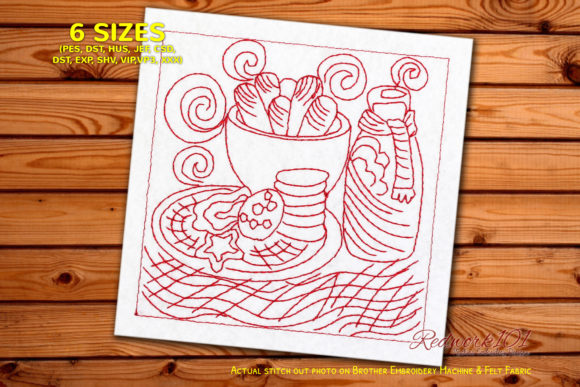
As an embroidery designer who has spent years digitizing and reviewing files for commercial use, I approach every new machine embroidery design with a critical eye. It is not just about whether the image looks pretty on a screen; it is about how that design translates to fabric, how it holds up in production, and ultimately, how it serves the brand identity of the small business owner purchasing it. Today, I am reviewing the Food Basket embroidery design, a piece marketed as a nice rustic option for traditional stitching. For boutique owners, café operators, and handmade product creators, understanding the practical application of this file is essential before committing to bulk production.
First Impressions: Rustic Charm and Brand Personality
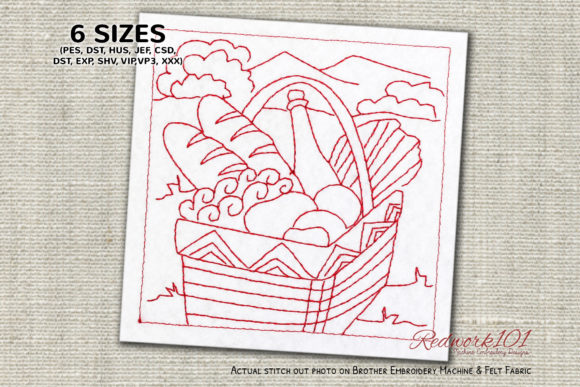
The immediate visual impact of Food Basket is one of warmth and tradition. In an era where minimalism often dominates corporate branding, there is a significant market shift toward designs that feel handmade, authentic, and approachable. This design fits squarely into that niche. It does not scream "corporate efficiency"; instead, it whispers "artisanal quality." For a bakery, a farm-to-table restaurant, or a florist, this aesthetic is invaluable. It suggests that the products inside are crafted with care, mirroring the care taken in the embroidery itself.
However, "rustic" can sometimes be code for "messy" if the digitizing is poor. From a professional standpoint, I look for clean line work and logical stitch paths. A lovely and traditional embroidery style relies on balanced proportions. If the basket weave appears too dense or the food items within lack definition, the design loses its charm. The goal is to achieve a look that is decorative yet legible, ensuring that the brand identity remains clear even from a distance.
Strategic Applications for Small Business Merchandise
Where does Food Basket perform best? Based on its described traditional nature, this design is versatile but requires strategic placement to maximize its impact on small business merch.
- Apron Embroidery: This is perhaps the strongest use case. For staff in bakeries or cafes, an apron featuring this design acts as a walking advertisement. It reinforces the theme of fresh, prepared goods. The rustic vibe complements canvas or denim aprons perfectly, adding a layer of professionalism without feeling stiff.
- Tote Bag Design: Reusable tote bags are a staple for eco-conscious brands. Placing Food Basket on a natural cotton tote creates a cohesive narrative. It transforms a simple bag into a branded asset that customers are proud to carry, extending your reach beyond the storefront.
- Embroidered Patches: Creating custom patches allows for flexibility. You can iron or sew these onto jackets, hats, or packaging. Patches also allow you to pre-produce inventory, speeding up fulfillment times for online orders. Ensure the patch backing is durable if intended for frequent washing.
- Cap Embroidery: While possible, caps require caution. The curved surface of a baseball cap can distort detailed designs. If using Food Basket here, ensure the design is simplified or scaled appropriately to fit the front panel without crowding the seams.
Navigating Technical Challenges in Production
While the aesthetic appeal is high, the technical execution of Food Basket requires attention to detail. As a designer, I must warn against assuming any digital embroidery file is plug-and-play. Several factors can make or break the finished product.
Stitch Density and Fabric Texture: Rustic designs often imply a certain fullness. If the stitch density is too high, the fabric may pucker, especially on lighter materials like thin cotton tees. Conversely, if the density is too low, the underlying fabric might show through, ruining the visual integrity. Always test on the actual fabric you intend to use. Textured fabrics, such as terry cloth towels or rough linen, may require additional underlay stitches to ensure the design sits flat and crisp.
Size Constraints: The description notes that the design is lovely and traditional, but it does not specify exact dimensions. If you plan to use this as a small chest logo on a polo shirt, you must verify that the details do not merge together at smaller sizes. Tiny lettering or intricate basket weaves can become illegible blobs if scaled down too far. I recommend creating a printable mockup at the intended size to check for clarity before hooping the first garment.
Thread Colors and Contrast: The success of this design heavily relies on thread colors. A rustic palette might involve earth tones—browns, greens, creams, and muted reds. However, ensure there is sufficient contrast between the basket and the contents. If you are embroidering on dark uniforms, you may need to adjust the colorway or add a satin stitch border to make the design pop. Always run a test stitch-out to confirm that the chosen threads complement rather than clash with the garment color.
Enhancing Customer Trust and Perceived Value
Why go through the trouble of custom embroidery? Because it elevates the perceived value of your brand. When a customer receives a product with a high-quality embroidered patch or a beautifully stitched apron, they perceive the brand as established and trustworthy. It signals that you invest in quality, which subconsciously suggests that your food or handmade products are also of high quality.
For Etsy sellers and craft businesses, consistency is key. Using Food Basket across various touchpoints—packaging tags, staff uniforms, and promotional items—creates a cohesive visual language. This consistency builds recognition. Over time, customers associate that specific rustic basket imagery with your brand’s promise of tradition and care. It turns a simple transaction into an experience.
Practical Designer Notes for Implementation
Before you purchase and produce, follow these steps to ensure success with Food Basket:
- Check the Specs: The product description mentions the Stitch Box is optional, but it does not list the hoop size, stitch count, or file formats. Contact the seller or check the listing details to ensure the file is compatible with your machine (e.g., PES, DST, JEF). Confirm the maximum hoop size required to avoid resizing issues.
- Test on Scrap Fabric: Never run a new design directly on customer merchandise. Use scrap fabric of the same type and weight. Check for thread breaks, tension issues, and registration accuracy.
- Use Proper Stabilizer: The right stabilizer is crucial. For woven fabrics like aprons, a cut-away stabilizer often provides the best long-term durability. For knits, a tear-away might suffice, but test first to prevent distortion.
- Review Commercial Licensing: Ensure that your purchase includes a commercial license if you plan to sell items featuring this design. Most digital designers offer different licenses for personal vs. commercial use. Protect your business by confirming these terms upfront.
- Create Mockups: Use digital tools to place the design on photos of your actual products. This helps you visualize scale and placement, allowing you to make adjustments before committing to physical production.
In conclusion, Food Basket offers a charming, traditional aesthetic that can significantly enhance the branding of food-related and artisanal businesses. By paying close attention to technical details like stitch density, fabric compatibility, and placement, you can transform this design asset into a powerful tool for customer engagement. It is not just embroidery; it is a statement of quality and tradition that resonates with today’s conscious consumers.