Lotus Redwork: A Designer’s Review for Summer Projects
As an embroidery designer who has spent countless hours digitizing and stitching floral motifs, I approach every new machine embroidery design with a critical eye. It is not just about whether the image looks pretty on a screen; it is about how the thread behaves on fabric, how the design holds up after washing, and whether it adds genuine value to a finished product. Recently, I evaluated Lotus Redwork, a design categorized under Single Flowers, to determine its viability for real-world applications. My goal was to see if this motif could transition smoothly from a digital embroidery file to a high-quality handmade product.
First Impressions and Visual Personality
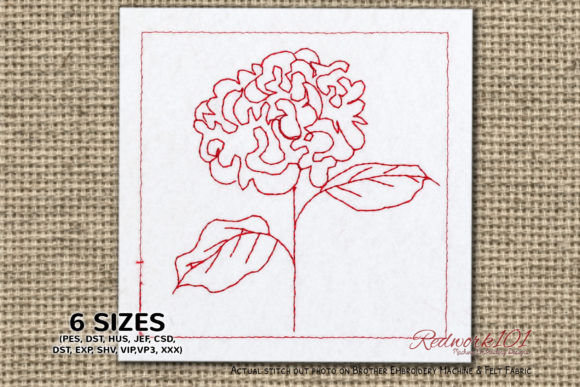
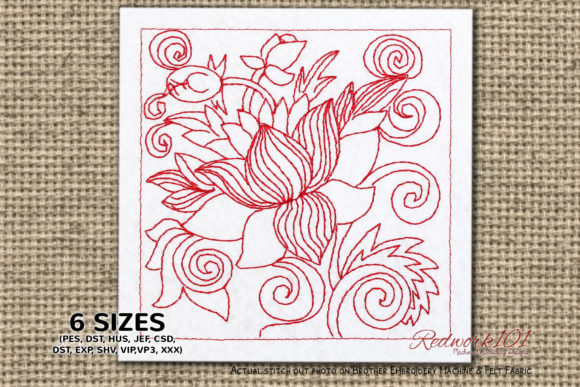
The first thing that strikes you about Lotus Redwork is its simplicity. In an era where dense, photo-realistic digitizing often dominates the market, there is a refreshing elegance in redwork styles. This design relies on clean lines and open spaces, creating a lovely floral motif that feels airy and light. The mood it creates is distinctly summery, evoking images of linen dresses, garden parties, and slow mornings. For a designer, this visual personality is crucial because it dictates where the design belongs. It does not scream for attention with heavy fill stitches or complex shading. Instead, it whispers, making it ideal for projects where subtlety is preferred over boldness.
The layout of the lotus is balanced, with petals that flow naturally. When I reviewed the stitch path, I noticed a reliance on running stitches and potentially some light satin work, depending on the specific file version. This approach minimizes puckering, a common issue with heavier designs. For those of us who sell on Etsy or run small shops, this means fewer headaches with hoop burn and fabric distortion. The design feels intentional, not cluttered, which is a significant asset when aiming for a professional aesthetic in boutique branding.
Real-World Application: The Summer Tote Scenario
To truly test Lotus Redwork, I imagined a specific client project: a custom embroidered tote bag for a local farmer’s market vendor. The client wanted something that felt organic and handmade, avoiding the look of mass-produced merchandise. I visualized placing this single flower on the corner of a natural canvas tote. Because the design is not overly dense, it would stitch out quickly, allowing for higher production volume without sacrificing quality. The open nature of the redwork style allows the texture of the canvas to show through, integrating the thread with the fabric rather than sitting on top of it like a plastic patch.
Beyond tote bags, this design shines in custom apparel. Imagine sweatshirt embroidery on a lightweight, heather-gray crewneck. Placing the lotus on the left chest or near the cuff creates a sophisticated, minimalist look that appeals to modern consumers. It also works beautifully for baby embroidery. Parents often prefer softer, less aggressive designs for infant clothing, and the gentle curves of the lotus fit this requirement perfectly. Whether used on a onesie or a nursery blanket, the design conveys calm and care, enhancing the emotional value of the personalized gift.
Fabric Considerations and Stitching Performance
While Lotus Redwork is versatile, it is not universal. As a reviewer, I must highlight where caution is needed. The success of any embroidery project depends heavily on the interaction between the thread, the needle, and the fabric texture. For this design, I recommend using woven fabrics like cotton, linen, or chambray. These materials provide the stability needed for clean line work. If you attempt to stitch this on highly stretchy knits without proper stabilization, the delicate lines may distort, losing their crisp definition.
Dark fabrics present another challenge. Since redwork traditionally uses a single thread color, often red or white, contrast is key. If you are stitching on black fabric, ensure your thread color pops. A dark red on black might disappear, ruining the visual appeal. I always advise testing the design on scrap fabric first, especially when working with new materials. Check the thread color contrast under different lighting conditions. Additionally, consider the hoop size. While this is a single flower, ensure your hoop accommodates the full spread of the petals without cropping. If the design is scaled down too much for a tiny hoop, the fine details might merge, resulting in a blob rather than a flower.
Commercial Viability and Brand Consistency
For craft business owners and digital product sellers, the commercial potential of Lotus Redwork is strong. Minimalist designs are trending because they fit seamlessly into various home decor styles and fashion aesthetics. Using this design in your small shop product line can help establish brand consistency. It looks equally good on kitchen towels, aprons, and pillow covers. This versatility allows you to create cohesive collections, such as a "Summer Garden" series, which can boost buyer engagement and perceived value.
When creating printable mockups or digital embroidery file previews, this design photographs well. The clean lines translate clearly in images, making it easier for customers to visualize the finished product. However, transparency is vital. Always confirm licensing before selling finished items or digital products. The product description notes that the Stitch Box shown in pictures is optional and that colors may vary. This implies that the core value is the floral motif itself. Ensure you understand the terms of use for commercial embroidery to protect your business.
Practical Designer Notes for Best Results
To get the most out of Lotus Redwork, follow these practical steps during your embroidery project:
- Stabilizer Selection: Use a cut-away stabilizer for garments that will be washed frequently, ensuring the design remains stable over time. For decorative items like wall hangings, tear-away may suffice.
- Thread Choice: High-quality rayon or polyester threads will give a nice sheen to the running stitches. Matte cotton threads can enhance the rustic, handmade feel if that aligns with your brand.
- Test Stitches: Always run a test on similar fabric to check stitch density. Adjust tension if necessary to prevent looping or breaking.
- Placement Matters: On curved surfaces like caps, ensure the design is centered correctly to avoid twisting. The simplicity of the lotus makes it forgiving, but precision still matters for a professional look.
- Mockup Testing: Test the design in black and white mockups to ensure the shape is recognizable even without color. This helps in assessing the clarity of the outline.
In conclusion, Lotus Redwork is a thoughtful addition to any designer’s library of Single Flowers. It offers a blend of elegance and practicality that suits a wide range of embroidery applications. By understanding its strengths and limitations, you can leverage this design to create stunning, high-quality products that resonate with customers. Whether you are an experienced embroiderer or a hobbyist looking to elevate your craft, this motif provides a reliable foundation for beautiful, lasting work.