Reviewing Striped Tiger Sitting on Grass Redwork
As an embroidery designer who has spent years testing digital files for client projects, I approach every new machine embroidery design with a mix of excitement and scrutiny. When I first loaded the Striped Tiger Sitting on Grass Redwork into my software, I was immediately struck by its charming simplicity. In the world of Wild Animals themed Embroidery, it is easy to get lost in hyper-realistic shading and complex color blends. However, there is a distinct, timeless appeal to redwork styles that often gets overlooked. This particular design offers a playful yet dignified aesthetic that bridges the gap between classic craftsmanship and modern nursery trends.
First Impressions: Mood and Visual Appeal
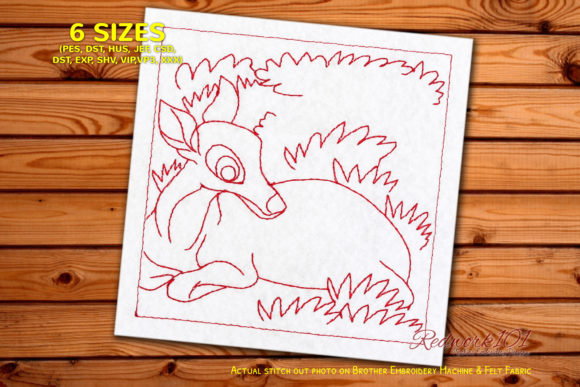
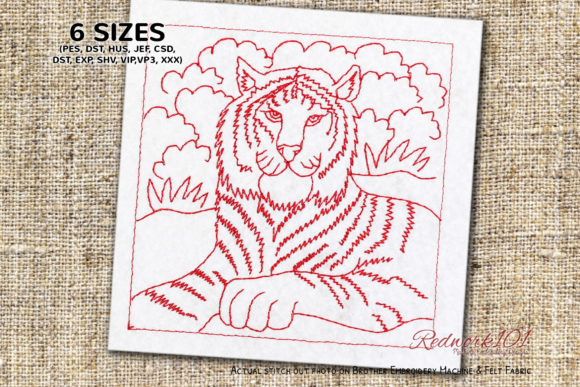
The initial visual impact of this design is warm and inviting. The subject, described as a majestic figure standing proud amidst greenery, translates beautifully into a single-color or limited-palette stitch pattern. The mood is undeniably sweet and handmade, lacking the cold precision of industrial manufacturing. For a personalized gift, this emotional resonance is crucial. Customers are not just buying a stitched image; they are buying a feeling of care and nostalgia.
The detail level is appropriate for its style. It avoids the pitfalls of overly intricate lines that can break easily on textured fabrics, yet it retains enough character to be recognizable and engaging. Whether you perceive it as playful or classic depends largely on your thread choice, but the underlying structure suggests versatility. It feels like a design that belongs in a sunlit nursery or on a cozy kitchen apron, evoking a sense of home and comfort.
Versatility Across Product Lines
One of the strongest assets of the Striped Tiger Sitting on Grass Redwork is its adaptability. As a Etsy seller or small business owner, you need designs that perform well across multiple product types. Here is how I envision this design performing in a real-world shop:
- Baby Embroidery: This is perhaps the most natural fit. The soft lines work wonderfully on baby blankets and burp cloths. Using a soft pastel thread instead of traditional red can modernize the look for contemporary parents.
- Kitchen Linens: An embroidered towel featuring this tiger adds a whimsical touch to a farmhouse-style kitchen. The redwork style traditionally pairs well with white linen or cotton, creating a crisp, clean contrast.
- Nursery Decor: Imagine this stitched onto a pillow cover or a wall hanging. It serves as a gentle focal point without overwhelming the room’s decor.
- Custom Tote Bags: For a small shop product, tote bags are high-margin items. This design scales well for larger hoops, making it visible and impactful on canvas materials.
- Wedding Gifts: While seemingly playful, redwork has historical roots in bridal trousseaus. A monogrammed handkerchief or tea towel with this motif could serve as a unique, sentimental wedding gift for animal lovers.
Technical Considerations for Professional Results
While the design is charming, technical execution is what separates a amateur hobbyist from a professional handmade product creator. Before committing to customer orders, I always run a series of tests. Here are the critical factors to consider when working with this file.
Fabric and Stabilizer Selection
The success of any custom embroidery project hinges on the interaction between the needle, thread, and fabric. For the Striped Tiger Sitting on Grass Redwork, fabric texture plays a significant role. On smooth cottons or linens, the stitches will lay flat and crisp. However, on textured towels or fluffy fleece, the details may get lost. I recommend using a cut-away stabilizer for stretchy fabrics like baby clothes to prevent distortion after washing. For woven fabrics like aprons or tote bags, a tear-away stabilizer is usually sufficient, provided the stitch density is not too high.
Thread Color and Contrast
Since this is a redwork-style design, thread choice is your primary tool for customization. Traditional red on white is classic, but do not be afraid to experiment. Navy blue on cream offers a sophisticated nautical vibe, while sage green on white feels organic and calm. Always check thread color contrast against your base fabric. If you are using dark fabric, you may need to adjust the design settings or use a underlay stitch to ensure the tiger stands out clearly.
Hoop Size and Placement
Before stitching, confirm the hoop size required for the design. The product description mentions an optional Stitch Box, which implies flexibility in presentation. Ensure that the design fits comfortably within your hoop without hitting the edges, especially if you plan to add personalized text or names alongside the tiger. Curved surfaces, such as the sleeve of a onesie or the pocket of a shirt, require careful hooping techniques to avoid puckering.
Enhancing Giftability and Perceived Value
In the competitive landscape of digital embroidery file sales and finished goods, perceived value is everything. The Striped Tiger Sitting on Grass Redwork contributes to this by offering a clean, professional finish. When customers receive a product with neat, well-executed stitching, their trust in your brand increases. This design, with its clear lines and balanced composition, photographs beautifully. High-quality images of the finished product—whether it is a blanket embroidery project or a custom apron—can significantly boost buyer engagement on social media and marketplaces.
Furthermore, the emotional connection tied to animal motifs cannot be understated. Parents love seeing their child’s name next to a friendly animal. Couples appreciate the whimsy in their home decor. By positioning this design as part of a meaningful narrative—such as "The Guardian of the Nursery" or "The Kitchen Companion"—you elevate it from a simple stitch pattern to a cherished keepsake.
Practical Steps Before Commercial Use
If you are planning to use this design for commercial embroidery purposes, due diligence is essential. The product description notes that the design is by Redwork101, but it does not specify exact license terms, stitch counts, or file formats. Therefore, I strongly advise the following steps:
- Check Licensing: Confirm whether the purchase includes a commercial license allowing you to sell finished products. Never assume; always verify.
- Test on Scrap Fabric: Always stitch a test sample on the same type of fabric you intend to sell. Check for thread breaks, bird nests, or fabric puckering.
- Review Small Details: After stitching, inspect the finer points of the tiger’s face and the grass. Ensure they are distinct and not merged together due to high density or poor tension.
- Create Mockups: Use a printable mockup or digital preview to show customers how the design looks on different items before they order. This manages expectations and reduces returns.
- Verify File Compatibility: Ensure the embroidery file format matches your machine’s requirements. Convert if necessary, but always re-check the design after conversion.
In conclusion, the Striped Tiger Sitting on Grass Redwork is a versatile and emotionally resonant addition to any embroidery designer’s library. It balances the charm of traditional redwork with the appeal of modern wildlife themes. By paying attention to fabric choices, stabilizer types, and licensing details, you can transform this digital file into a high-value personalized gift that delights customers and strengthens your brand’s reputation for quality and care.