Scary Kitty with Halloween Pumpkin Review
As an embroidery designer who has spent countless weekends behind a craft fair table, I know that October is not just a month; it is a revenue peak. The difference between a slow Saturday and a sold-out booth often comes down to having the right machine embroidery design at the right time. This season, I am taking a close look at Scary Kitty with Halloween Pumpkin, a digital asset that promises to bring a stylish, spooky vibe to handmade goods. For Etsy sellers, boutique makers, and creative entrepreneurs, understanding how this specific motif translates from screen to fabric is essential for maximizing sales.
First Impressions: Bold, Festive, and Marketable
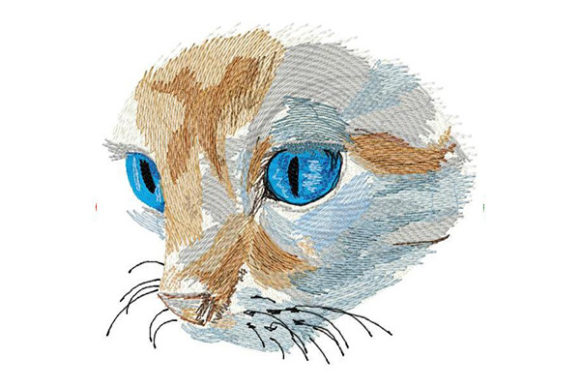
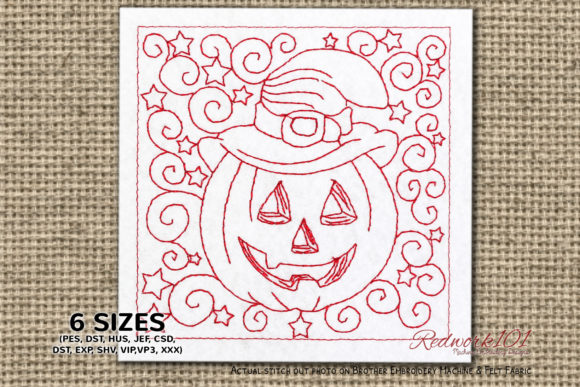
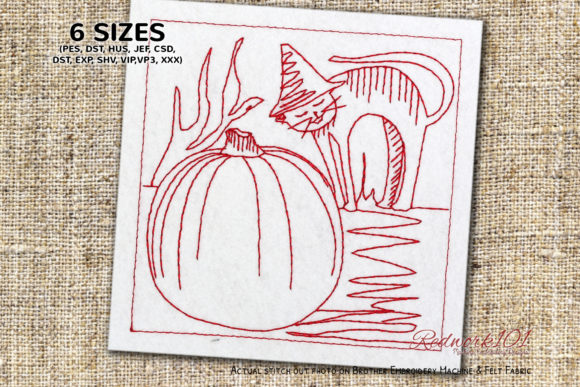
The first thing that strikes me about Scary Kitty with Halloween Pumpkin is its immediate readability. In the fast-paced environment of a craft fair, you have roughly three seconds to catch a customer’s eye. This design achieves that by combining two of the most recognizable symbols of the season: a witch’s cat and a jack-o’-lantern. The aesthetic feels less like horror and more like "spooky cute," which is a massive trend in the handmade market right now. It balances the eerie with the charming, making it accessible to a wide demographic, from children to adults who love festive decor.
From a design perspective, the inclusion of the hat adds a necessary vertical element, breaking up the roundness of the pumpkin and the cat’s body. This creates a balanced composition that looks intentional and premium. It does not feel cluttered, which is crucial when you are working with limited hoop space or smaller products. The mood is distinctly festive and rustic, fitting perfectly into the current demand for farmhouse-style Halloween decor.
Product Versatility for Craft Fair Booths
When I evaluate a new embroidery file, I immediately mentally map it onto various substrates. Scary Kitty with Halloween Pumpkin is remarkably versatile. Here is how it performs across different craft fair product categories:
- Tote Bags and Market Bags: This is arguably the strongest application. A canvas tote with this design centered becomes an instant bestseller. The bold lines of the cat and pumpkin hold up well against the coarse weave of canvas, creating a high-contrast look that photographs beautifully for online listings.
- Apron Embroidery: Kitchen textiles are huge in Q4. Placing this design on the bib of a cotton apron creates a fun, thematic gift for home cooks. It transforms a standard utility item into a seasonal statement piece.
- Tea Towel Embroidery: For a more subtle approach, scaling the design down for a corner placement on flour sack towels works well. However, you must be mindful of the fabric texture. Terry cloth or waffle weave can distort small details, so a smooth cotton linen blend is recommended for clarity.
- Embroidered Patches: If you offer add-on items, this design makes an excellent iron-on or sew-on patch. It allows customers to customize their own jackets or bags, increasing the perceived value of your booth offerings.
- Caps and Hats: While possible, curved surfaces require careful digitizing. Ensure the design width fits within the standard cap frame without wrapping too aggressively around the curve, which can cause puckering.
Production Practicality and Stitch Density
For small shop owners, time is money. A design that takes four hours to stitch is rarely profitable unless you are charging premium prices. Scary Kitty with Halloween Pumpkin appears to be optimized for efficiency. The shapes are solid and filled, suggesting a moderate stitch density that provides good coverage without excessive thread usage or long run times. This makes it ideal for batch production, allowing you to prepare inventory ahead of the rush.
However, there are practical considerations. The description notes that the color is key. When producing this as a finished product, thread contrast is vital. A black cat on a black bag will vanish. You must use contrasting threads, such as orange, purple, or white, to define the silhouette. Additionally, check the hoop size requirements. If the design is large, ensure your machine can accommodate the necessary frame, especially if you are stitching on bulky items like hoodies or padded pillow covers.
Navigating Fabric and Stabilizer Challenges
One common pitfall with Halloween designs is the use of dark fabrics. Black cotton, navy fleece, and dark denim are popular, but they can hide stitch definition. To combat this, I recommend using a bright underlay or choosing thread colors that pop, such as metallic gold or vibrant orange. Furthermore, always use the correct stabilizer. For stretchy fabrics like t-shirts or thin tea towels, a cut-away stabilizer provides the necessary support to prevent distortion after washing. For woven fabrics like canvas totes, a tear-away may suffice, but testing is non-negotiable.
Be cautious with tiny details. If the design includes small facial features on the cat or intricate lines on the pumpkin, these may get lost if the design is scaled down too far. Always stitch out a test sample on scrap fabric before committing to your final inventory. This helps you verify that the thread colors blend well and that the tension is correct for your specific machine.
Visual Appeal and Brand Consistency
Beyond the technical aspects, Scary Kitty with Halloween Pumpkin contributes significantly to brand consistency. If your shop focuses on whimsical, handcrafted goods, this design reinforces that identity. It acts as a visual anchor in your booth display, drawing attention to your table. When paired with other fall-themed items, it creates a cohesive narrative that encourages browsers to stop and look.
For online sellers, this design is a content goldmine. It lends itself easily to creating a printable mockup or lifestyle photos. Imagine a flat lay with dried leaves, mini pumpkins, and a tote bag featuring this kitty. These images drive engagement on social media and convert viewers into buyers. As a digital embroidery file, it also offers value to other crafters if you choose to sell the design itself, provided you have the appropriate commercial licensing.
Final Designer Notes for Sellers
Before you launch this design into your product line, take these final steps to ensure success:
- Verify Licensing: Confirm that your purchase of the design assets includes commercial rights for selling finished physical goods. Never assume; always check the terms.
- Test on Multiple Fabrics: Stitch one sample on canvas, one on cotton, and one on a textured towel. Compare the results to see which substrate offers the best clarity.
- Check File Formats: Ensure the embroidery file you download is compatible with your machine brand (PES, DST, JEF, etc.). If the format is not listed in the description, contact the seller before buying.
- Optimize Thread Palette: Do not rely solely on the default thread chart. Customize your thread colors to match your brand’s aesthetic or current trends, such as muted earth tones or neon brights.
In conclusion, Scary Kitty with Halloween Pumpkin is a strong contender for your October inventory. It hits the sweet spot between cute and spooky, works on a variety of high-demand products, and appears practical for batch production. By paying attention to fabric choice, stabilizer selection, and thread contrast, you can turn this digital design into a standout handmade product that drives sales at your next craft fair or online drop. For any Etsy seller or boutique maker looking to capitalize on the Halloween surge, this Cats themed Embroidery design is worth serious consideration.