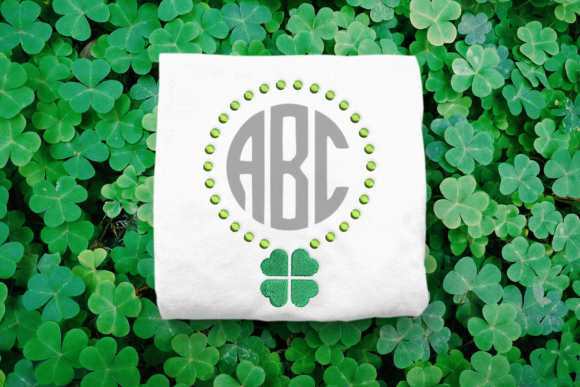
Shamrock Round Monogram Frame Review
As an embroidery designer who has spent years digitizing for small businesses and boutique brands, I approach every new machine embroidery design with a critical eye. It is not just about whether a pattern looks pretty on a screen; it is about how it performs in production, how it elevates a brand, and whether it holds up under the stress of daily wear. Recently, I evaluated the Shamrock Round Monogram Frame to determine its viability for commercial use. This piece features a circular frame anchored by a clover at the bottom, creating a dedicated space for a custom circular monogram. While it is marketed heavily for St Patrick S Day, my review focuses on its broader application for year-round branded merchandise.
First Impressions: Visual Personality and Brand Fit
The immediate impression of the Shamrock Round Monogram Frame is one of approachable elegance. It strikes a balance between traditional and playful. The round shape suggests unity and completeness, which is psychologically appealing for logos and badges. The inclusion of the clover adds a touch of whimsy and heritage without being overly cartoonish. For a business owner, this visual personality is versatile. It feels handmade yet professional, making it suitable for brands that want to project warmth, trust, and a connection to tradition.
This design does not scream "temporary holiday promo." Instead, it offers a classic structure that can be adapted. If you run a bakery, a florist, or a local café, this frame provides a structured container for your initials or short brand name. It avoids the harshness of geometric industrial logos, offering instead a softer, more organic aesthetic that aligns well with the current trend toward artisanal and handmade product presentations.
Real-World Applications for Small Business Merch
When considering small business merch, versatility is key. I tested the potential of this embroidery file across several common apparel and accessory categories. Here is how it performs in real-world scenarios:
- Embroidered Patches: This is perhaps the strongest use case. The circular nature of the design makes it ideal for cut-edge or merrowed border patches. A patch allows customers to buy a low-cost add-on that increases average order value. You can create a standard version with your business initials and sell them as collectibles or uniform identifiers.
- Apron Embroidery: For hospitality businesses like coffee shops or bakeries, staff uniforms are walking billboards. Placing this frame on the chest pocket of an apron creates a polished look. The clover element adds a subtle thematic touch that can remain relevant beyond March if the thread colors are chosen wisely.
- Cap Embroidery: Curved surfaces are tricky, but a round monogram frame sits naturally on the front panel of a baseball cap or dad hat. It provides a focal point that is centered and balanced. However, scale is critical here, as discussed later.
- Tote Bag Design: Canvas totes are staples for retail packaging. Embroidering this frame on a tote bag elevates it from a simple carrier to a reusable fashion item. The density of the frame needs to be sufficient to prevent the fabric from puckering, but the open center keeps the stitch count manageable.
- Custom Apparel: On work shirts or polo shirts, this design works well as a left-chest logo. It is compact enough to be professional but detailed enough to be noticed.
Strategic Considerations for Production
While the design is promising, successful commercial embroidery requires attention to technical details. You cannot simply load the digital embroidery file and hit start without considering the substrate and end-use. Here are the areas where caution is required:
Scale and Legibility: The primary risk with any monogram frame is shrinking it too small. If you intend to use this on a small patch or a child’s garment, the details of the clover and the thickness of the frame lines must remain clear. If the design becomes too dense at a small size, it will result in a stiff, cardboard-like feel. Always check the stitch density settings in your software. If the design allows for resizing, ensure the stitch count adjusts proportionally to maintain quality.
Fabric Texture and Stabilizer: The performance of this design depends heavily on the fabric texture. On smooth twill or cotton, it will look crisp. On textured fabrics like fleece or terry cloth, the finer details of the clover might get lost. Using the correct stabilizer is non-negotiable. For caps, use a stiff backing to prevent distortion. For towels or knits, a cut-away stabilizer is essential to support the weight of the frame over time.
Thread Colors and Contrast: Do not limit yourself to green because of the St Patrick S Day association. To make this a year-round asset for your brand identity, experiment with neutral tones. A navy frame with gold thread exudes premium quality. A charcoal frame with white thread offers modern minimalism. Test your thread colors against your most common garment colors to ensure high visibility and contrast.
Enhancing Brand Identity and Customer Trust
Consistency builds trust. When a customer sees the same high-quality embroidery on your apron, your tote bag, and your packaging, it reinforces professionalism. The Shamrock Round Monogram Frame aids in this visual consistency. Because it is a frame, it allows you to swap out the central monogram while keeping the outer brand element recognizable. This is powerful for design assets.
For Etsy sellers and crafters, offering personalized items within this frame can significantly boost buyer engagement. Customers love seeing their own initials framed in a decorative element. It transforms a generic item into a bespoke finished product. This perceived value allows for higher pricing margins. Furthermore, using a cohesive design language across your custom apparel line helps in creating a memorable brand experience.
Practical Designer Notes for Implementation
Before you commit to a large production run or list this as a new product, follow these practical steps to ensure quality control:
- Test in Black and White: Before selecting fancy threads, stitch the design out in black thread on white fabric. This reveals any issues with spacing, density, or registration without the distraction of color.
- Verify Hoop Size: Check the specific dimensions of the Shamrock Round Monogram Frame against your machine’s hoop size. Ensure it fits comfortably with room for stabilization.
- Create a Printable Mockup: Use digital tools to place the design on photos of actual products. Create a printable mockup to show clients or test market reaction before stitching a single sample.
- Check Licensing: Always confirm the commercial licensing terms of the embroidery file. Ensure you are permitted to use it for physical goods sold in your shop.
- Wash Testing: Embroider a sample on the actual fabric you plan to use. Wash and dry it multiple times. Check for puckering, thread breakage, or shrinkage. This step is vital for items like aprons and uniforms that undergo frequent laundering.
In conclusion, the Shamrock Round Monogram Frame is a robust tool for the small business owner’s toolkit. It transcends its holiday origins to become a versatile element for brand identity. By paying attention to technical execution and strategic placement, you can leverage this design to create high-value, professional merchandise that resonates with your customers. Whether used for a festive March promotion or as a staple of your everyday branded gear, it offers a blend of charm and structure that appeals to a wide audience.