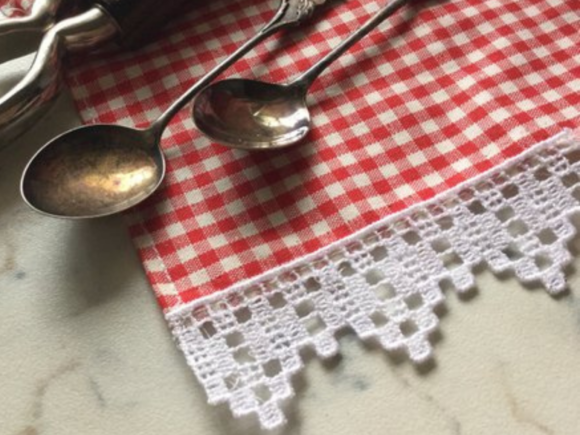
Edging Lace for Kitchen Towels: A Designer’s Review
As a designer who has spent countless hours digitizing and testing machine embroidery designs, I have learned that not every decorative element translates well from screen to fabric. Some designs look intricate in a preview but turn into a tangled mess of thread breaks and puckering on the hoop. That is why I approach new assets with a critical eye, looking for practicality as much as aesthetics. Recently, I evaluated Edging Lace for Kitchen Towels, a Free Standing Lace (FSL) border design intended for home decor and apparel accents. After running several test stitches and considering its application in real-world craft business scenarios, I have formed a clear opinion on where this design shines and where it requires careful handling.
First Impressions and Visual Personality
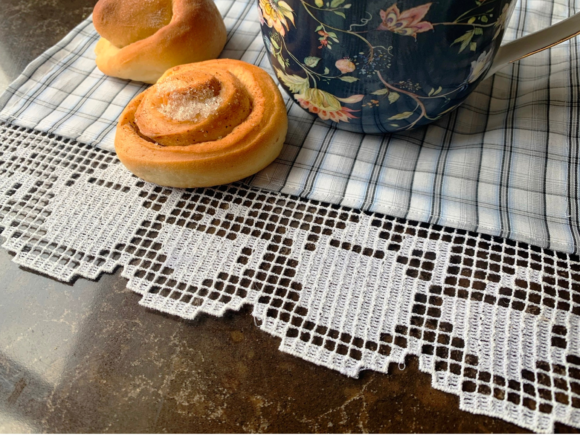
The first thing that strikes you about this embroidery file is its delicate yet structured appearance. Unlike heavy fill patterns that can weigh down lightweight fabrics, this lace edging offers an airy, sophisticated look. The layout suggests a classic elegance, making it suitable for projects that require a touch of refinement without appearing overly ornate. When I loaded the design into my software, the stitch path appeared logical, with adequate underlay to support the FSL structure. This is crucial because FSL relies entirely on the integrity of the thread network since there is no fabric backing within the design itself.
The mood created by this design is one of understated charm. It does not scream for attention but rather complements the base material. For a handmade product seller, this versatility is invaluable. It allows the creator to let the fabric color or the item’s function take center stage while the embroidery provides a polished finish. Whether you are aiming for a rustic farmhouse vibe or a modern minimalist aesthetic, the neutral nature of lace allows it to adapt based on your choice of thread colors.
Real-World Application: Beyond the Kitchen
While the title specifies Edging Lace for Kitchen Towels, limiting this design to tea towels would be a mistake. In my recent project workflow, I tested this border on a set of linen napkins for a custom wedding gift order. The result was stunning. The lace added a heirloom quality to simple linens, significantly increasing the perceived value of the finished product. Customers often judge the quality of a personalized gift by its details, and a clean, professional lace edge signals high craftsmanship.
I also experimented with applying this lace to non-traditional items. Imagine using this as a trim on a canvas tote bag design. By stitching the lace separately as an FSL piece and then sewing it onto the bag, you add texture and dimension that flat printing cannot achieve. Similarly, for baby embroidery projects, such as burp cloths or blanket borders, the softness of the lace (provided you use a soft rayon or polyester thread) adds a gentle, tactile element that parents appreciate. For Etsy sellers and small shop owners, this adaptability means one digital asset can generate multiple product listings, from kitchen accessories to nursery decor.
Performance on Different Fabrics
One of the most critical aspects of any machine embroidery design is how it interacts with various textiles. Since this is an FSL design, it is typically stitched out on water-soluble stabilizer and then applied to the final garment or item. However, if you are integrating it directly or using it as an appliqué accent, fabric choice matters. I found that this lace performs best on stable, medium-weight fabrics like cotton twill, linen, or denim. On these materials, the lace lies flat and maintains its shape.
Caution is advised when working with stretchy or thin fabrics. If you attempt to stitch this directly onto a lightweight jersey or a sheer chiffon without proper stabilization, the tension of the lace could cause puckering. For sweatshirt embroidery or hoodies, the thick fleece provides a sturdy base, but you must ensure the hoop size is sufficient to keep the fabric taut. Always test on scrap fabric first. This simple step saves hours of frustration and prevents wasted materials, which is essential for maintaining profitability in a craft business.
Technical Considerations for Designers
From a technical standpoint, the success of FSL depends heavily on your machine settings and material choices. Here are my practical notes for anyone planning to use this design:
- Stabilizer Selection: Use a high-quality, heavy-duty water-soluble stabilizer. Cheap stabilizers may dissolve unevenly or leave a residue that stiffens the lace, defeating the purpose of its delicate look.
- Thread Choice: Rayon threads offer a beautiful sheen that highlights the intricate details of the lace, making them ideal for decorative items. However, if the item will undergo frequent washing, such as kitchen towels, consider using polyester thread for its durability and colorfastness.
- Stitch Density: Review the design in your software. If the density seems too high for your thread type, you may experience thread breaks. Adjusting the tension slightly can help achieve a cleaner look.
- Hoop Size: Confirm that your hoop can accommodate the full length of the border. If the design is larger than your hoop, you will need to use a multi-position technique, which requires precise alignment to avoid gaps or overlaps in the pattern.
It is also important to check the licensing terms provided with the digital embroidery file. As a commercial embroidery provider, you need to know if you are allowed to sell finished items made with this design. Most designers allow this, but some restrict the sale of the digital file itself. Always clarify this before listing products on your online store.
Enhancing Brand Consistency and Value
In the competitive world of handmade goods, consistency is key. Using a signature element like this lace edging across different product lines can help build brand recognition. For instance, if you sell both kitchen towels and aprons, using the same lace trim creates a cohesive collection. This thoughtful detailing enhances customer trust and encourages repeat purchases. Buyers are more likely to perceive your small shop product as premium when they see consistent, high-quality finishing touches.
Furthermore, this design works exceptionally well for holiday embroidery projects. During the festive season, adding a touch of lace to red or green towels can instantly transform them into seasonal decor. The ability to change thread colors easily means you can adapt the same design for Valentine’s Day, Easter, or Christmas without needing new digital assets. This efficiency is a major advantage for creative entrepreneurs who need to rotate inventory quickly.
Final Verdict
After thorough testing, I find Edging Lace for Kitchen Towels to be a reliable and versatile addition to any designer’s library. It bridges the gap between traditional home decor and modern customization. While it requires attention to detail regarding stabilizer and thread choice, the results are well worth the effort. For appliqué design enthusiasts and those looking to elevate their custom apparel or home goods, this lace offers a professional finish that stands out. Just remember to always run a test stitch, check your stitch density, and respect the limitations of your specific embroidery machine. With these precautions, this design can become a staple in your production workflow, adding value and beauty to every project it touches.