Tureen Pot ITH Keyfob Design Review
As an embroidery designer who has spent years digitizing for boutique brands and small online shops, I approach every new machine embroidery design with a critical eye. It is not just about whether the stitches look good on screen; it is about how that design translates to a tangible, sellable product. Recently, I evaluated the Tureen Pot ITH Keyfob Design for a potential collaboration with a lifestyle brand launching a limited sweatshirt drop. While this specific item is technically categorized under Kitchen accessories due to its subject matter, its application in the world of Embroidery extends far beyond simple home decor. Here is my professional breakdown of how this design performs, its aesthetic potential, and what you need to know before adding it to your production line.
First Impressions: Aesthetic and Mood
The first thing that strikes me about the Tureen Pot ITH Keyfob Design is its inherent charm. The tureen, a classic serving vessel, carries a rustic yet elegant connotation. When digitized correctly, this motif bridges the gap between vintage kitchenware and modern cozy aesthetics. For a boutique brand, this is gold. It does not scream "commercial mass production"; instead, it whispers "handmade quality." The mood is undeniably warm, inviting, and slightly playful without being childish. It feels decorative enough to stand alone but minimal enough to fit into a curated collection.
In terms of layout, In-The-Hoop (ITH) designs require a specific balance. They must be compact enough to fit within the hoop constraints while maintaining structural integrity when folded and assembled. This design appears to respect those boundaries. The stitching personality seems to favor clean lines over excessive fill, which is crucial for small-scale items. If the stitch density is too high, the key fob becomes stiff and bulky; if it is too low, the fabric shows through. From a designer’s perspective, this balance suggests a thoughtful digitization process aimed at creating a premium finished product.
Versatility Beyond the Key Fob
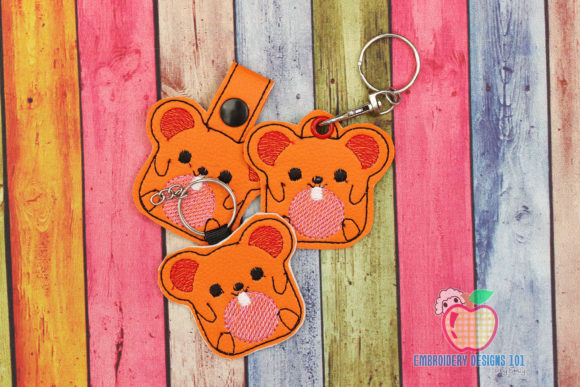
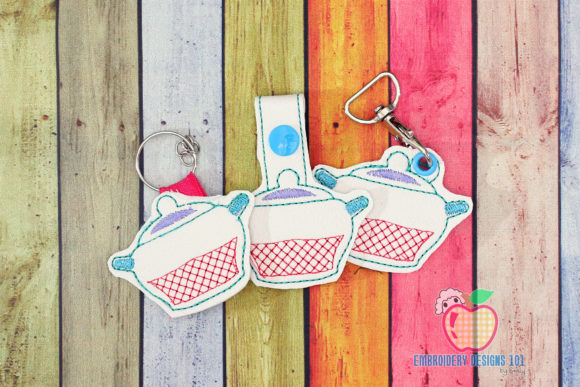
While the product description highlights its primary function as a key fob—including Snap Tab, Eyelet, and Ribbon versions—my interest lies in its versatility for apparel. Imagine this tureen motif embroidered on the chest of a neutral, oatmeal-colored sweatshirt. The rustic imagery pairs beautifully with the soft fabric texture of fleece or French terry. It transforms a basic garment into a statement piece for foodies, home cooks, or anyone who appreciates the art of hosting.
For hoodie design applications, consider placing a scaled-up version of this motif on the sleeve or as a small pocket accent. On dark fabrics like charcoal or navy, using contrasting thread colors such as cream, sage green, or terracotta can make the design pop. For pastel spring collections, monochromatic stitching in varying shades of pink or blue creates a subtle, sophisticated look. This adaptability makes it a strong candidate for custom apparel lines that target specific niches, such as culinary students, restaurant staff, or home baking enthusiasts.
Technical Considerations for Production
Before running a full batch for your small shop product line, there are several technical factors to address. Since this is an ITH design, the hoop size is critical. The description notes it is 4x4 hoop friendly, which is standard for key fobs. However, if you plan to adapt it for larger apparel placements, you must verify if the digital embroidery file includes resized versions for 5x7 hoops. Always check the specific file formats provided to ensure compatibility with your machine.
Stitch density is another major concern. Key fobs undergo significant wear and tear. The design must be dense enough to withstand daily use but not so dense that it causes puckering. When testing on sweatshirt material, which is thicker than standard cotton, you may need to adjust your stabilizer choice. A cut-away stabilizer is often recommended for apparel to provide long-term support, whereas tear-away might suffice for the key fob itself if backed with felt or leather.
Thread color contrast is essential for readability. The tureen shape relies on clear outlines to distinguish the lid from the base. On busy fabric patterns, this design might get lost. Therefore, it works best on solid-colored garments where the thread colors can create a distinct visual hierarchy. For Etsy seller listings, high-quality printable mockup images showing these contrast choices can significantly boost buyer trust and engagement.
Brand Identity and Commercial Value
Incorporating unique motifs like the Tureen Pot ITH Keyfob Design into your inventory helps establish a distinct brand identity. For a boutique brand, offering coordinated sets—such as a matching key fob and sweatshirt—creates a cohesive lifestyle image. This strategy increases perceived value and encourages customers to purchase multiple items. It moves the product from being a simple handmade product to a curated experience.
From a commercial standpoint, ITH designs are efficient. They minimize manual labor since the item is finished within the hoop. This efficiency allows for better profit margins, which is vital for commercial embroidery operations. However, do not sacrifice quality for speed. Ensure that the trimming and assembly steps are executed cleanly. Loose threads or uneven folds can detract from the premium feel you are trying to achieve.
Furthermore, this design appeals to the growing market of consumers who value artisanal details. By highlighting the intricacy of the embroidery and the thoughtfulness of the design in your marketing materials, you can differentiate yourself from competitors selling generic printed apparel. Use terms like "digitally crafted" and "precision stitched" to emphasize the quality of your design assets.
Final Verdict for Designers
The Tureen Pot ITH Keyfob Design is a versatile asset for any embroidery business looking to expand into lifestyle accessories or themed apparel. Its rustic charm fits well with current trends in cozy, home-centric fashion. Whether you are creating sweatshirt embroidery for a fall collection or crafting unique gifts for the holiday season, this design offers a solid foundation.
Remember to test extensively on your specific fabric types. What works on a lightweight cotton tee may not translate perfectly to a heavy hoodie. Adjust your tension and stabilizer accordingly. Check the license terms of the embroidery file to ensure you are compliant for commercial use, especially if you plan to sell the finished key fobs or apparel at scale.
Ultimately, this design is more than just a pattern; it is a tool for storytelling. It invites the wearer to appreciate the simple pleasures of home and hospitality. For the experienced designer, it presents a fun challenge in scaling and placement, offering opportunities to innovate within the constraints of the hoop. If you are looking to add a touch of whimsical elegance to your next project, this tureen motif is certainly worth considering.
As you prepare your next drop, keep these insights in mind. Focus on the interplay between thread and fabric, prioritize durability in your construction, and let the unique character of the design shine through. Your customers will notice the difference, and your brand will reap the rewards of delivering a truly premium, handcrafted experience.