Review: Squirrel in Flowers Redwork for Real Projects
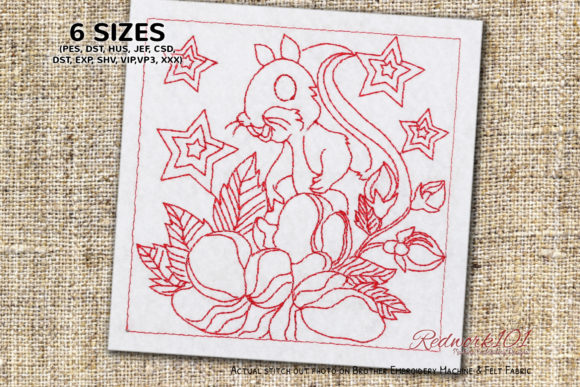
As a designer who spends more time staring at stitch maps than actual fabric, I have learned that the charm of a design often hides in its simplicity. When I first loaded the Squirrel in Flowers Redwork file into my editing software, I was looking for potential pitfalls. Redwork is deceptive; it looks easy because it uses a single color, but it demands perfect tension and clean digitizing to avoid looking messy. This particular design, featuring a lovely little squirrel standing amidst a floral bundle, caught my eye not just for its cuteness, but for its structural integrity.
I am evaluating this piece from the perspective of someone who needs to sell finished goods. Whether you are an Etsy seller looking for your next best-seller or a hobbyist making personalized gifts, you need to know if a design will hold up under the needle. Here is my practical breakdown of how this machine embroidery design performs in the real world.
First Impressions and Visual Mood
The immediate vibe of this embroidery project is nostalgic and warm. Redwork traditionally evokes a sense of heritage and handcrafted authenticity. By combining a Woodland Animals theme with classic floral elements, the design bridges the gap between rustic cabin decor and modern nursery aesthetics. The squirrel is not overly cartoonish; it has a gentle posture that feels organic rather than rigid.
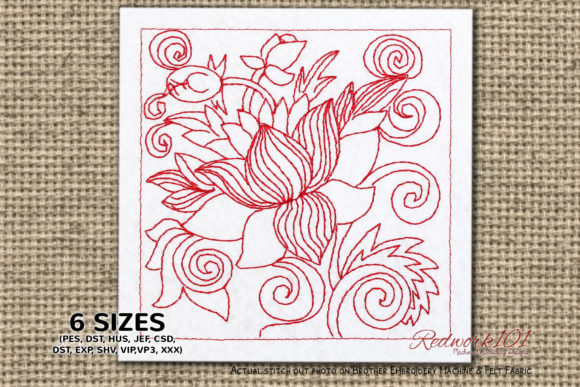
What stands out is the balance between the animal and the flora. In many poorly digitized files, the details get lost when the subject is small. However, the outline work here appears deliberate. The floral bundle frames the squirrel without overwhelming it, creating a cohesive silhouette. This is crucial for small shop products where brand recognition relies on clear, readable imagery from a distance.
Real-World Application: The Tote Bag Test
To truly test a design, I imagine it on a specific product. Let’s say I am preparing a custom order for a local farmer’s market vendor who wants branded tote bag designs. Canvas is a sturdy, textured fabric that can be tricky for fine details. I visualized the Squirrel in Flowers Redwork stitched in a deep cranberry thread on natural unbleached cotton canvas.
The result? It works beautifully. The single-color approach eliminates the risk of color clashing with the vendor’s existing branding. Because redwork typically utilizes running stitches or light satin borders, the stitch density is likely low enough to prevent the heavy canvas from puckering excessively, provided the right stabilizer is used. For a craft business, this versatility is gold. You can offer this design on aprons, tea towels, and tote bags without needing to create five different scaled versions.
Apparel and Soft Goods Considerations
Moving beyond home goods, let’s consider custom apparel. I pictured this on a heather grey sweatshirt. Sweatshirt embroidery requires careful handling because the fabric is thick and fuzzy. The outline nature of redwork is advantageous here. Unlike dense fill stitches that can sink into fleece or terry cloth, the linear stitches of this design sit on top of the texture, maintaining visibility.
However, caution is needed with baby embroidery. If you are placing this on a onesie or a soft muslin blanket, the fabric is thin and stretchy. You must use a cut-away stabilizer to support the stitches during washing. The squirrel’s tail and the flower petals need to remain crisp after multiple laundry cycles. I recommend testing the design on scrap fabric first to ensure the thread colors you choose do not bleed or distort the shape when washed.
Technical Performance and Stitching Clarity
The core of any good digital embroidery file is how it handles corners and curves. In redwork, there are no fill stitches to hide errors. Every turn in the squirrel’s ear or the stem of a flower is exposed. From what I can observe in the preview, the digitizer has used appropriate underlay and tie-offs to keep these lines clean.
One aspect to verify before purchasing is the hoop size compatibility. While the description notes that the stitch box shown is optional, you need to confirm the actual dimensions of the squirrel and flowers. If you plan to use this on a curved surface like caps, ensure the design fits within a 4x4 or 5x7 hoop without excessive resizing. Resizing redwork too small can cause threads to overlap and bunch up, ruining the delicate lines.
Also, consider the fabric texture. On smooth quilting cotton, this design will look sharp and precise. On linen or burlap, it will take on a more rustic, handmade appearance. Both are valid aesthetic choices, but they affect the perceived value of the finished product. For high-end boutique items, smooth fabrics highlight the precision of the digitizing. For rustic decor, textured fabrics add character.
Commercial Viability and Brand Consistency
For commercial embroidery professionals, consistency is key. If you are selling this as part of a collection, does it match the weight and style of your other designs? The Squirrel in Flowers Redwork fits well within a broader Woodland Animals category. It pairs nicely with other outline-style designs, allowing you to create cohesive sets for nursery decor or holiday gifts.
Customer trust is built on quality. A sloppy stitch-out leads to refunds and bad reviews. Because this design relies on line work, it is forgiving of minor tension issues compared to complex satin stitch columns. This makes it a safer bet for beginners or for shops running high volumes of holiday embroidery orders during peak seasons. It is efficient, fast to stitch, and visually appealing.
Practical Designer Notes for Best Results
Before you commit to stitching this on a final garment, follow these steps to ensure professional results:
- Test on Scrap Fabric: Always run a test stitch-out on the same type of fabric you intend to use for the final product. This helps you adjust tension and check for puckering.
- Check Thread Contrast: Redwork relies on contrast. Test your chosen thread color against both light and dark fabric backgrounds. A dark red on navy blue might disappear, while a bright red on white pops.
- Verify Licensing: The product description mentions the stitch box is optional, but it does not explicitly state the license terms. Always confirm whether the design assets allow for commercial use before selling handmade products.
- Inspect Small Details: Zoom in on the digital preview. Check the tiny details in the squirrel’s face and the flower centers. Ensure they are not so small that they will break or pull out during wear.
- Use Proper Stabilizer: Match your stabilizer to your fabric. Use tear-away for stable woven fabrics and cut-away for knits and stretchy materials like sweatshirts.
- Mockup in Black and White: Convert your digital mockup to grayscale. This helps you see if the design holds its shape without relying on color appeal. If it looks muddy in black and white, it may lack definition.
Final Verdict
The Squirrel in Flowers Redwork is a solid addition to any designer’s library. It offers a blend of whimsical charm and technical simplicity that makes it versatile for various applications. From embroidered patches to pillow covers, it adapts well to different mediums. While it requires attention to fabric choice and stabilization, its low density and clear lines make it a reliable choice for both personal projects and small business merchandise. Just remember to verify the specific file formats and hoop requirements from the seller to ensure it matches your machine’s capabilities.